
IN OUR HEADS

January 14, 2026
CES 2026, as expected, abounded with AI and rumbled with robots. This was my fifth year tasked with monitoring the event’s updates - from official stage announcements to side skeets (if you aren’t on BlueSky, that’s not as bad as it sounds).
While there was the standard course of grand promises and unveilings that offered varying levels of excitement, it felt as though the greatest disruption on display wasn’t a piece of technology so much as the altered global market we’re living in. Legacy automakers continue to make serious tech gains while new OEMs encroach on their customers and promises of autonomy. The industry is pushing AI and robotics more than most consumers are asking for, forcing many to reconsider their levels of adoption and scale. Mobile devices continue to change in form factor and thus user experience changes too, as smartphones make efforts to fold out into high-power tablets.
It’s all both odd and clarifying, so here are some equally odd superlatives for my top 5 most strategically informative happenings of CES 2026:
#5) Most Blunt: Dell’s AI-Product Positioning Perspective
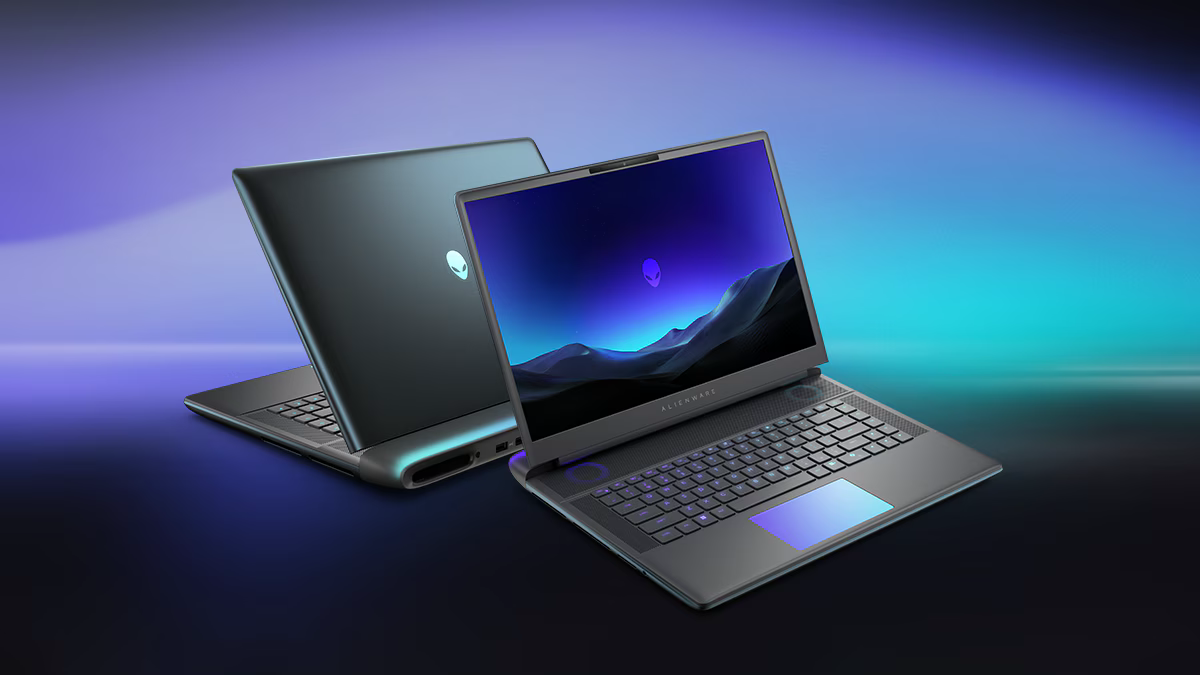
(Dell Alienware 16 Area-51 Laptop, CES Innovation Awards Honoree)
Ahead of CES, Kevin Terrwilliger, Dell’s Head of Product, spoke candidly with PC Gamer about the ill-fated positioning of AI-first devices:
"We're very focused on delivering upon the AI capabilities of a device—in fact everything that we're announcing has an NPU in it—but what we've learned over the course of this year, especially from a consumer perspective, is they're not buying based on AI," Terwilliger says bluntly. "In fact I think AI probably confuses them more than it helps them understand a specific outcome."
That confusion is likely due to a continuing ambiguity about the purpose and function of “AI” as a general and blanket term; especially in budget strained times where consumers aren’t going to be as likely to throw money at ambiguous products. Even the tactically focused resources of industry continue to have issue with finding the right place for specific AI uses, as reported by Elizabeth Lopatto at The Verge who wrote that “…95 percent of businesses are getting zero return on their AI investments, according to the MIT Media Lab. What’s more, enterprise-grade systems ‘are being quietly rejected’ by organizations because they tend to, well, fail.”
Takeaway: If organizations haven’t yet substantiated hefty AI costs or clarified what exact function many AI applications serve, we can’t expect our customers to do the same in their perception of what we’re selling. It seems some leading businesses are beginning to recognize “AI” as a generalization rather than direct and functional RTB. This can come with undertones of being more expensive and confusing for the consumer, and companies are adjusting it away from the center for the sake of successful product positioning.
#4) Most Aura Farmed: Chinese EVs
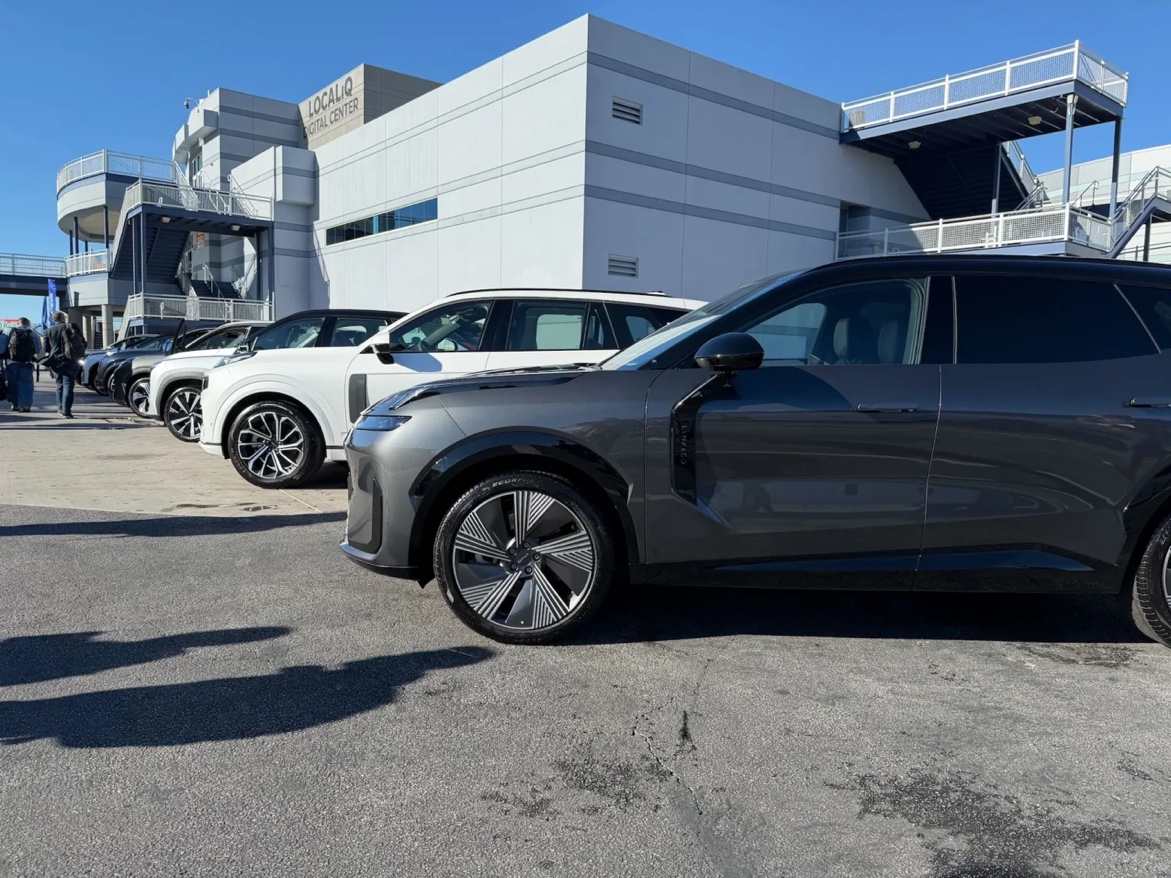
(Geely EVs at CES 2026, via Sean O’Kane at TechCrunch)
American EVs fell behind the world in 2025, perhaps most notably with China’s BYD holding rank as the world’s largest EV seller, casting an additional shadow on an uproariously visible setback year for Tesla. Chinese EVs, charging, and battery technology have all been recognized for years now by those including the likes of Ford’s Jim Farley as being an “existential threat” to American automotive (and energy) leadership. That threat has increasingly become an active and growing variable in the auto market, held off domestically by Biden-era Chinese vehicle barring rather than market-driven forces.
The world is a strange and changing place, North American sales are potentially looking at near term shifts due to tensions between the US and Canada, which has led to rumors of Canadian allowance of Chinese EV shipments. With all of this in mind, as well as the fact that CES is a global stage for tech innovation and advancement, Chinese EVs made their presence known in the flesh as Geely held a media-welcomed appearance and allowed a handful of attendees to test their non-US-legal vehicles.
Takeaway: Who knows if Chinese EVs will ever hit US shores, but if they find a way to pull it off, then aside from their unbeatable price points and advanced technologies, this type of brand-building experience and cultivated exclusion is a hell of a way to build hype.
#3) Most Potential for CRM Impact: Phones of Moderate Intelligence
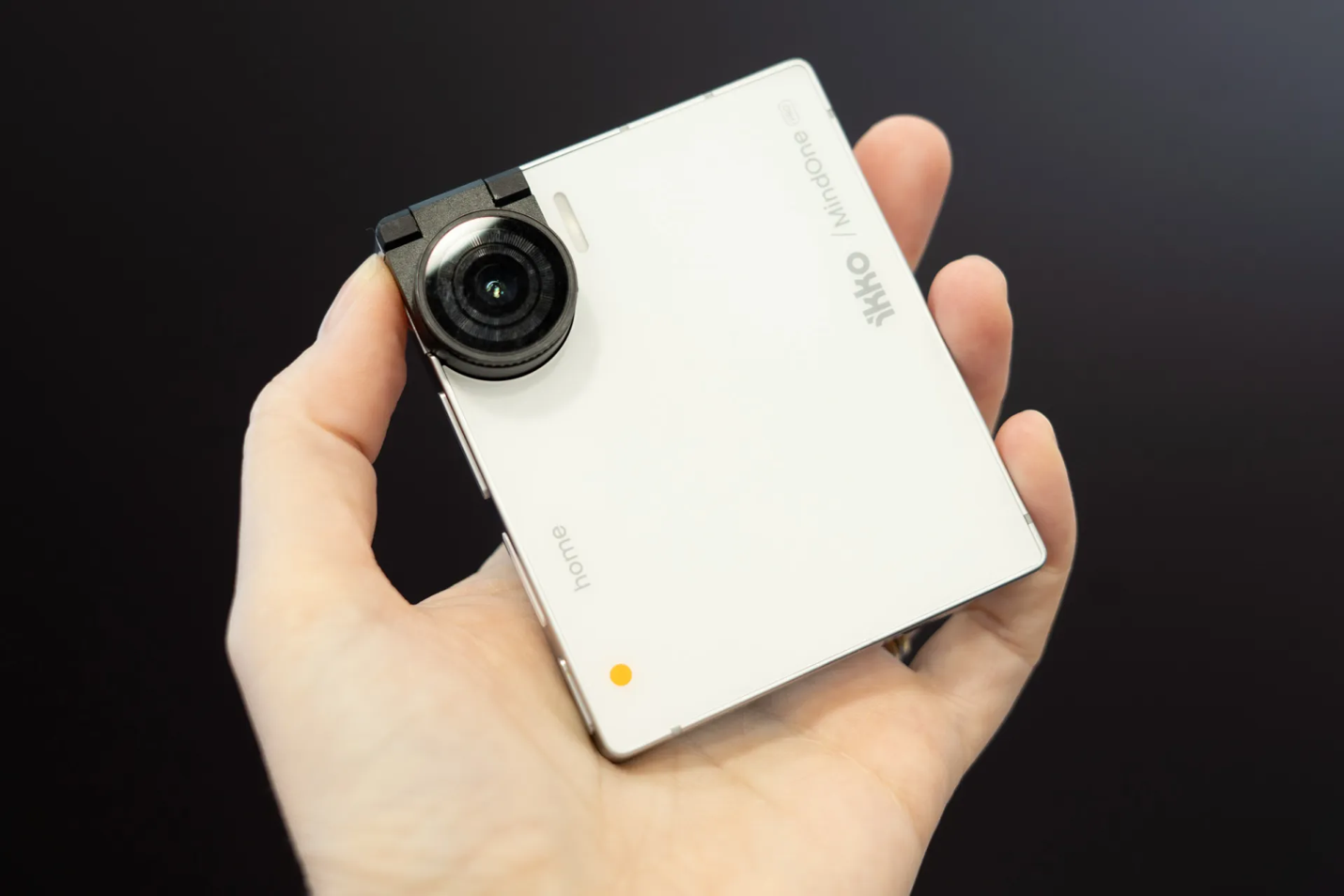
(ikko MindOne Pro, via Allison Johnson as The Verge)
(Click’s Communicator, via Sarah Perez at TechCrunch)
The Digital Detox will be TikTok Live streamed, because as far as I’m aware, the push in the last few years for the era of “dumb phones” still has yet to fully take off. I personally spent legitimate time looking into a dumb phone, but between the needs of our modern world and the fact that they were often priced about the same as a new-gen, top tier smartphone, I and many others realized that a dumb phone in many instances (not for everyone!) was a performative show piece for those willing to buy a second phone just for non-busy weekends.
The phone market (especially outside of the US) is still somewhat diverse, with concepts of modular phones and more sustainable phone options continuing to proliferate in recent years. At CES specifically, there were both the Click Communicator and ikko MindOne Pro; a more advanced Blackberry from the makers of a referential, nostalgic phone keyboard and an AI-oriented tile Pokédex, respectively. I don’t necessarily have hope for either of these to usurp Apple and Android’s market hold anytime soon, but their presence and, importantly, variant form factors present a continued and active discussion around what’s next for the primary mobile device. AI necklaces don’t seem to be it and smart glasses have advanced impressively but still leave serious doubt and discomfort. I agree with those who say the smartphone is the most effective mobile solution, but especially as they gain more screens for some and reduce for those looking to detox, the mobile ecosystem will require increasingly different styles of approach.
Takeaway: Regardless of where things end up, there appears to be a growing if not-yet-sure-what-it’s-looking-for push toward different mobile experiences, and we’ll have to keep our eyes on emerging tech to ensure CRM strategies are ready to show up where people are already engaging.
#2) Most Creatively Exciting: Lego Smart Brick
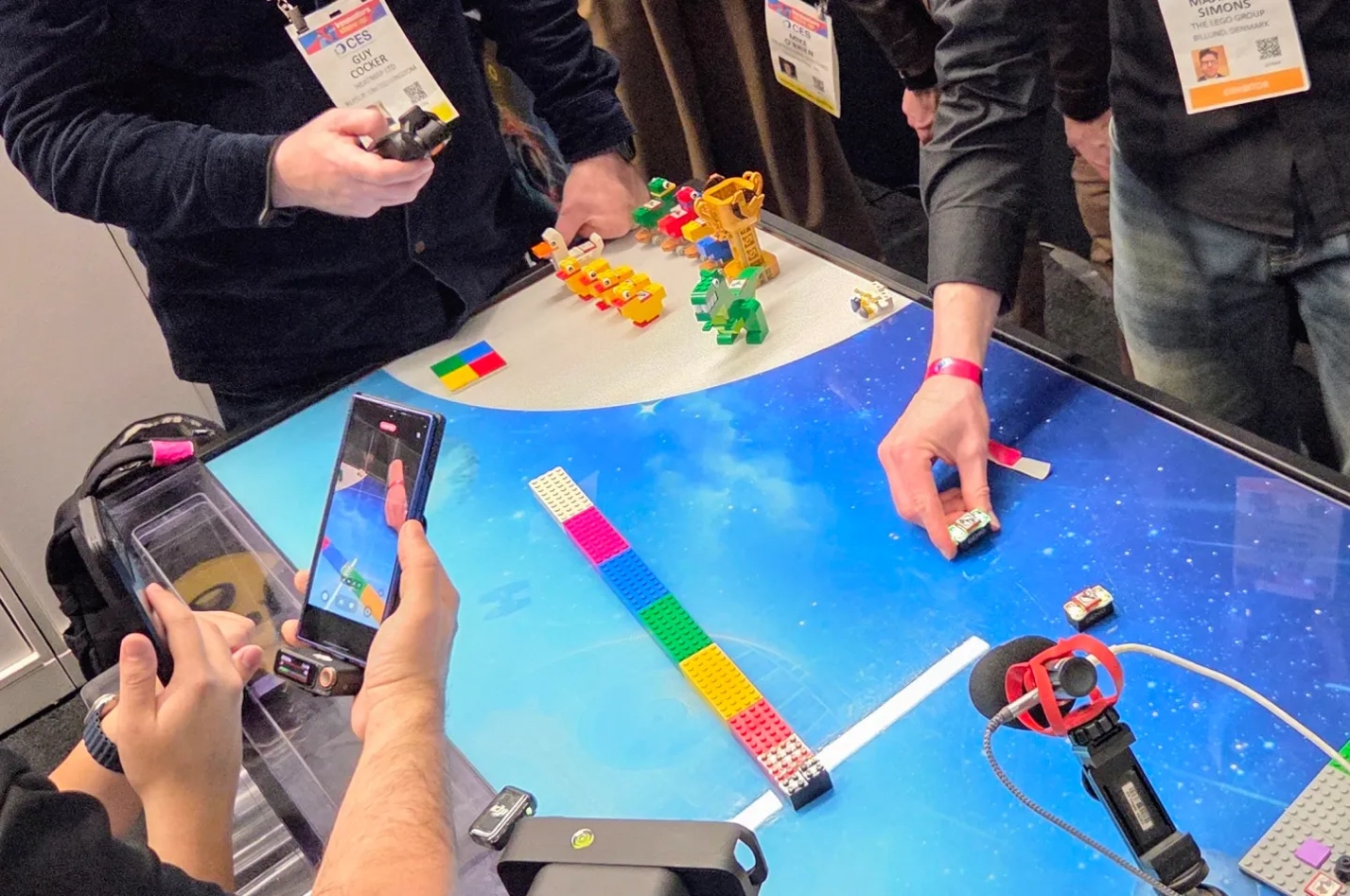
(Lego Smart Brick Demo, via Sean Hollister at The Verge)
“Trevor, what on earth is DS Download Play and why is it in the title of your CES piece?” You probably asked in the upfront and then forgot about it while reading the last few sections, and I once again, will ask you directly to bear with me: DS Download Play was a revolutionary approach to multiplayer gaming implemented by Nintendo in the Nintendo DS system. The function of this feature was to allow usually 2-4 players to all play the multiplayer features of a game on a mobile system while only having one copy of the game between them. This meant that if you wanted to play Mario Kart on your mobile system with a friend, but they didn’t also own a copy, no problem!! They would initiate DS Download Play and your copy of the game and DS would transmit the necessary game info to their system live so you could play together. No online membership fee, no account verification, not even a multi-player connector cable – just functional cross play, wirelessly, between two devices and a single game cartridge.
I had been thinking about how amazing this feature was and how far subscription and digital authorization requirements have gone in recent years to impede collective play and connectivity. Then, at CES, Lego debuted its “biggest innovation since 1978” with the Lego Smart Brick. I got flashbacks to that DS world of excitingly interoperable play.
To really get a feeling and understanding of the magic of the Smart Brick, I recommend watching The Verge’s video of the demo (sound on!), but will do my best to quickly summarize: The Smart Brick scans the blocks around it to recognize sets and pieces it has been clicked into in order to respond with different lights, sounds, and functions. The bricks are also capable of recognizing their relative position to one-another for “precise distance measurements.” Now, I’m not an engineer or coder, but I’ve spent time with enough of them (and seen the insanely impressive workings people have been able to construct in Minecraft with simple code-capable bricks) to know that when these Smart Bricks hit the shelves there are possibilities for some truly immersive experience creation in an accessible way.
Takeaway: In a time of functionless-without-paid-cloud-service tech, it is deeply refreshing to see something multifunctional and interoperable across an IP’s ecosystem – especially when that something is meant for creative expression. There will be a lot of potential with the Smart Brick to pull off exploratory play as well as some truly interesting content.
#1) Most Promise(d): The Donut Battery
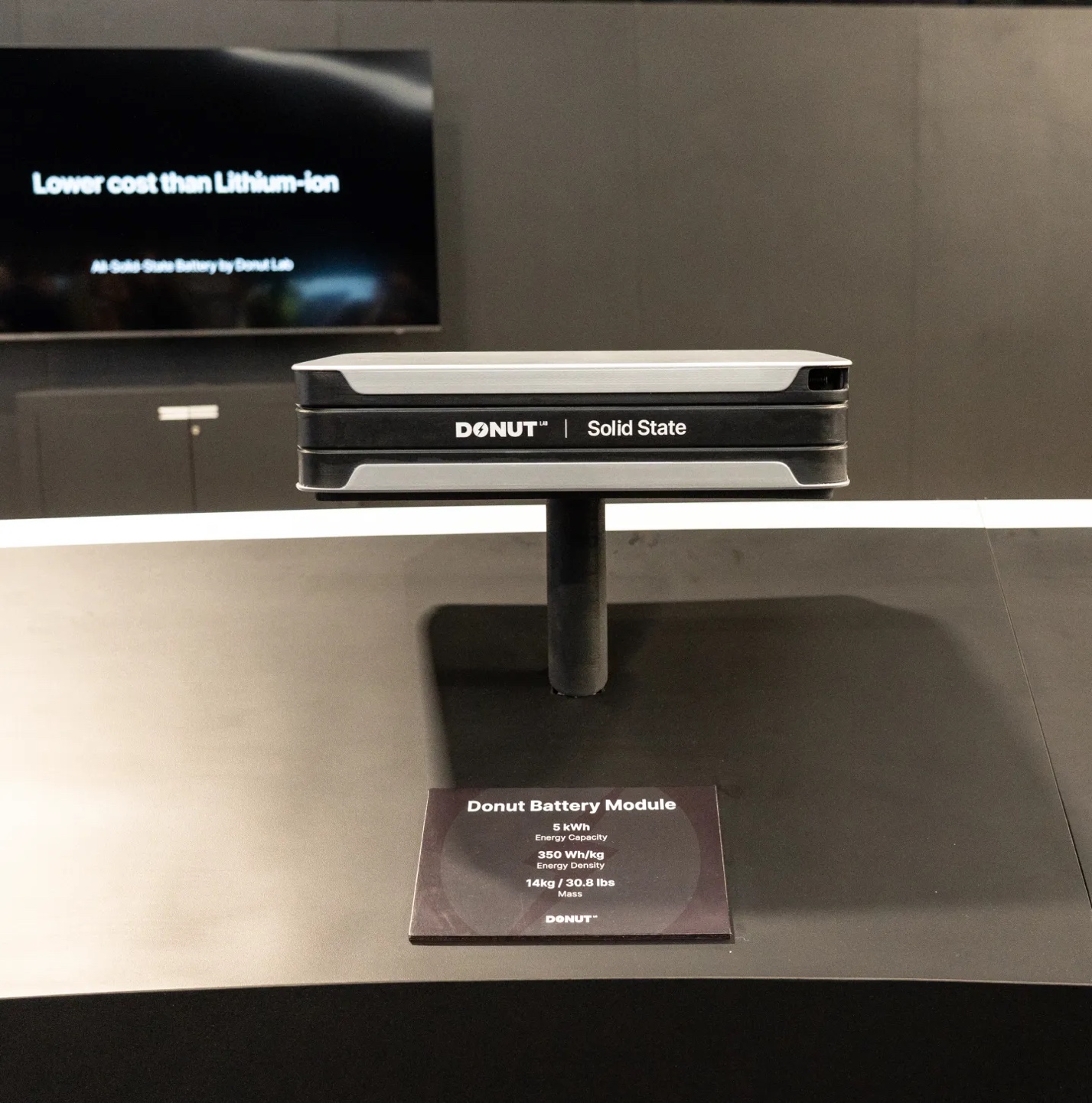
(The Donut Battery, via Tim Stevens at The Verge)
I easily could’ve written a full piece on this announcement. I got my start in vehicle-to-grid tech and continue to maintain a heavy focus on EVs and their role in advancing our grid; particularly in a time when utility costs are rising and, according to some projections, plugging in our vehicles could help to bring utility costs down by 10%. That’s why two years ago I said home batteries were my number-one pick of CES and last year I lauded the progress of energy autonomy tech in the face of AI-driven energy price increases. All of this to say, a lot of exciting things have happened in energy tech over the last few years, and this announcement at CES 2026 has the potential to be in the top rank of those advancements.
Donut Lab claims to have cracked solid state batteries. For the non-energy nerds among us, initially reading that headline pinged in my mind similarly to if I said “Costco is selling $50 iPhones at a profit.” My response at first was, essentially, yeah right. I will offer the disclaimer that we are all still awaiting more solid evidence of Donut Lab’s claim here, so that reaction could very well be justified… but if it isn’t? Everything from vehicles to personal devices is about to be flipped on its head.
Put -very- simply, current standard lithium-ion batteries (in most devices and electric vehicles) hold a portion of liquid used to make the battery function. Replacing that liquid with a solid composition would vastly increase the durability and function of the battery. This is difficult to achieve chemically and has often been referred to as the “holy grail” of EV production as solving for it would allow for potentially “30 percent more range in an EV with the same weight battery pack,” charging speeds comparable to filling a gas tank, and batteries that far exceed the lifecycle of the vehicle they’re in.
In addition to this potential miracle of science, Donut Lab claims that their Donut Battery is also composed of materials far more easily sourced than lithium, which would combat both the socio-cultural issues around lithium mining and the material’s conflict-enabling scarcity.
I could easily go on, but to cut to why this announcement in particular is so enticing even if we are awaiting more grounding details – Donut Lab says these batteries are already in production and their team has been developing them since 2018. Marko Lehitimaki, CEO of Donut Lab, told The Verge that “all will be proven in just a matter of weeks,” so until that time you can find me watching with solid state breaths.
Takeaway: If true, get ready for the greatest energy upset since renewables outpaced coal and the greatest product lifetime extender since right to repair.


